

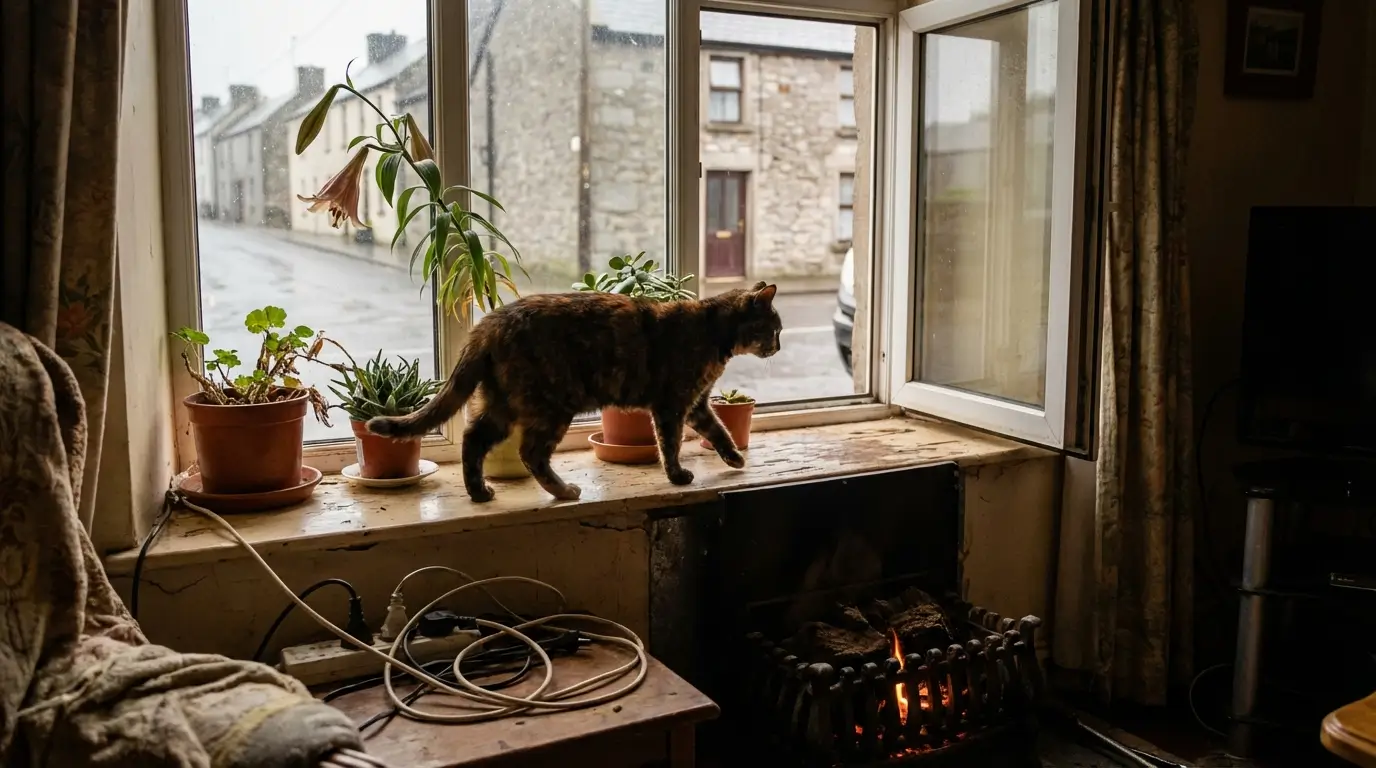
If your cat spends its days confined to a cosy Irish flat amid relentless rain, risks like obesity and boredom can quickly pile up. Here’s how to spot them early and build a safe, stimulating indoor life that keeps them purring.
Why Indoor Cats Thrive – and Struggle – in Ireland
Ireland’s weather is a cat’s worst enemy outdoors. With over 225 rainy days a year on average[1], traffic on narrow roads, and predators like foxes in urban areas, keeping cats indoors makes sense. The ISPCA recommends it for safety, especially in cities like Dublin or Cork.
That said, indoor life isn’t risk-free. Cats evolved as hunters, so without stimulation, they get restless. In my experience chatting with owners at vet clinics, the biggest issues start small: a cat ignoring food or scratching furniture excessively.
Irish homes add unique twists. Draughty windows let in chills, and small spaces mean limited territory. Addressing these from the start prevents bigger problems down the line.
Common Health Risks Facing Indoor Cats Here
Obesity tops the list. Indoor cats exercise 30-50% less than outdoor ones, leading to weight gain[2]. This raises diabetes risk by up to 4 times in felines, per studies from the Journal of Feline Medicine and Surgery.
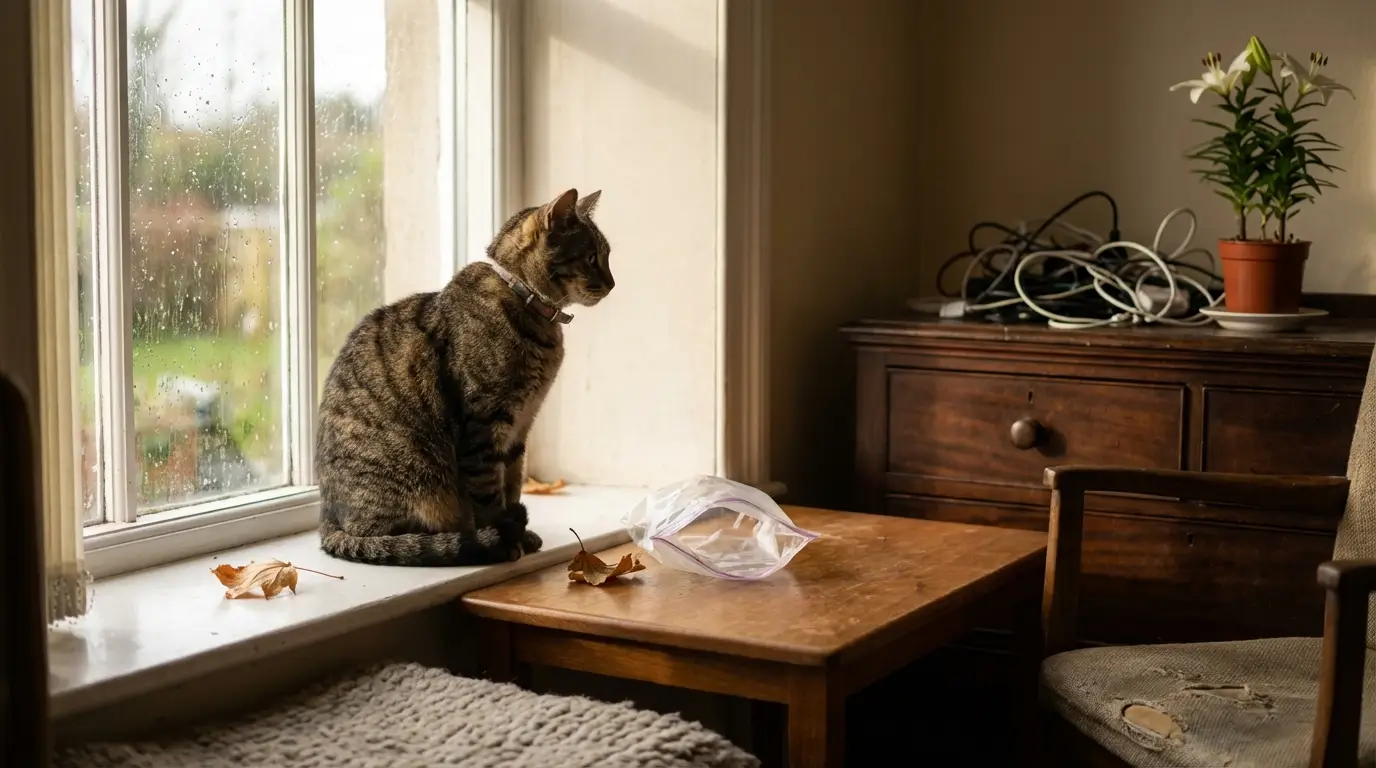
Urinary tract issues follow close behind. Stagnant lifestyles cause crystal formation in the bladder, especially in sterilised males. Watch for straining in the litter tray or blood in urine – get to the vet fast.
Boredom-induced stress shows as overgrooming or aggression. In damp Irish winters, cabin fever hits hard when cats can’t patrol their patch. Here’s the thing: early intervention with routine changes nips this in the bud.
Enriching Your Indoor Cat’s Daily Routine
Start with a schedule mimicking natural rhythms. Feed small meals from puzzle toys three times daily to tap hunting instincts. Rotate toys weekly to keep things fresh – cats bore easily.
Vertical space is gold in compact Irish homes. Install wall shelves for climbing; a multi-level cat tree near a window offers bird-watching. In my experience, this cuts destructive behaviour by half within weeks.
Incorporate scent games: hide treats in cardboard boxes or sprinkle dried catnip. Play sessions of 10-15 minutes twice daily build muscle and bond you closer. Consistency turns a lethargic cat into an explorer.
Best Toys for Keeping Indoor Cats Active
Go for interactive options over static ones. Wand toys with feathers mimic prey, encouraging pouncing – aim for 20 minutes daily. Laser pointers work too, but end with a ‘catch’ toy to avoid frustration.
Automated toys like ball tracks keep cats busy solo. Battery-operated mice that dart unpredictably are hits in small spaces. Avoid strings that could tangle; safety first.
- Kick toys for solo wrestling
- Suction-cup climbers for windows
- Tunnel systems under beds
Rotate to maintain interest. Owners report fitter, happier cats with just these basics.
Health Tips for Lifelong Indoor Felines
Diet matters most. Choose high-protein, low-carb kibble suited for indoor cats – check labels for under 10% carbs. Wet food adds hydration, crucial against urinary woes.
Vet check-ups every six months catch issues early. Dental health slips indoors; brush teeth weekly or use additive chews. Microchipping and ID collars stay essential, even inside.
Monitor litter habits daily. Clumping litter in covered trays minimises mess in humid homes. Supplements like omega-3s support joints and coat in low-activity cats.
Adapting to Irish Weather Indoors
Our mild but wet climate demands cosiness. Draught-proof windows with seals; heated mats on cool tiles prevent chill-related arthritis as cats age.
Humidity from rain breeds mould – use dehumidifiers and ventilate. In summer’s rare heatwaves, fans and ice cubes in water bowls cool them down.
Window perches with UV lamps simulate sunlight, vital for vitamin D. This combats seasonal lethargy when days shorten. Simple tweaks make Irish homes feline havens year-round.
To wrap up, spotting indoor cat risks in Irish homes is straightforward: focus on activity, diet, and environment. Implement these tips, and your cat stays safe, healthy, and engaged. Chat with your vet for tailored advice, and watch the transformation – share your wins in the comments below.
Sources: [1] Met Éireann weather data. [2] Journal of Feline Medicine and Surgery (2020). Consult ISPCA.ie for local guidance.

5 Common Dog Health Problems

10 Best Irish Pet Rescues 2024
Indoor Cat Risks in Irish Homes