

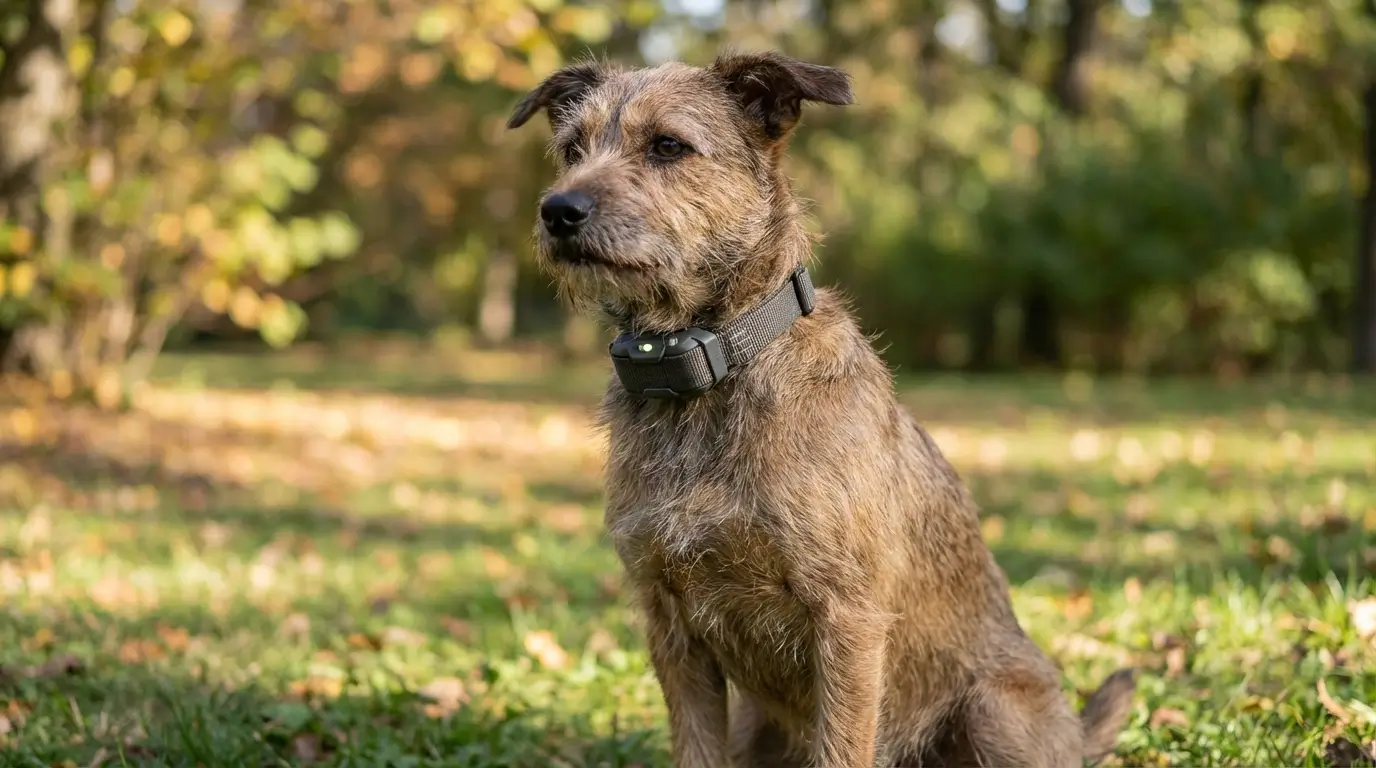
If your dog slipping the gate makes your stomach drop every time, GPS for dogs can turn a blind panic into a quick walk with your phone in your hand. Let’s break down how these trackers really work, what they can and can’t do, and whether they’re worth it for Irish dog owners.
How does GPS for dogs actually work?
A dog GPS tracker is basically a tiny sat-nav on your dog’s neck. Inside the device you’ll usually find three key bits of tech working together:
- GPS receiver – talks to satellites and works out your dog’s location using signals from multiple satellites in the Global Positioning System.
- Mobile (GSM/4G) modem – sends that location from the collar to an app on your phone using the mobile network.
- Battery and sensors – power the unit and often track extra data like activity or temperature.
Here’s the thing: the GPS chip itself does not connect to your phone. It only listens to satellites. The mobile part then pushes the coordinates to the cloud, and your app pulls them down onto a map. That’s how you see your dog’s dot moving in more or less real time.
Most modern trackers update every 2–60 seconds in “live” mode, depending on settings and battery level. Accuracy in open areas is often within about 5–10 metres under good conditions [1], though this gets worse near tall buildings, dense forest or steep valleys. In Ireland, you’ll get the best performance in open fields and beaches, and the worst in deep forestry or remote mountain valleys with weak mobile coverage.
What does a dog GPS tracker show you in real time?
Different brands offer different bells and whistles, but most dog tracking devices give you the same core information on your phone:
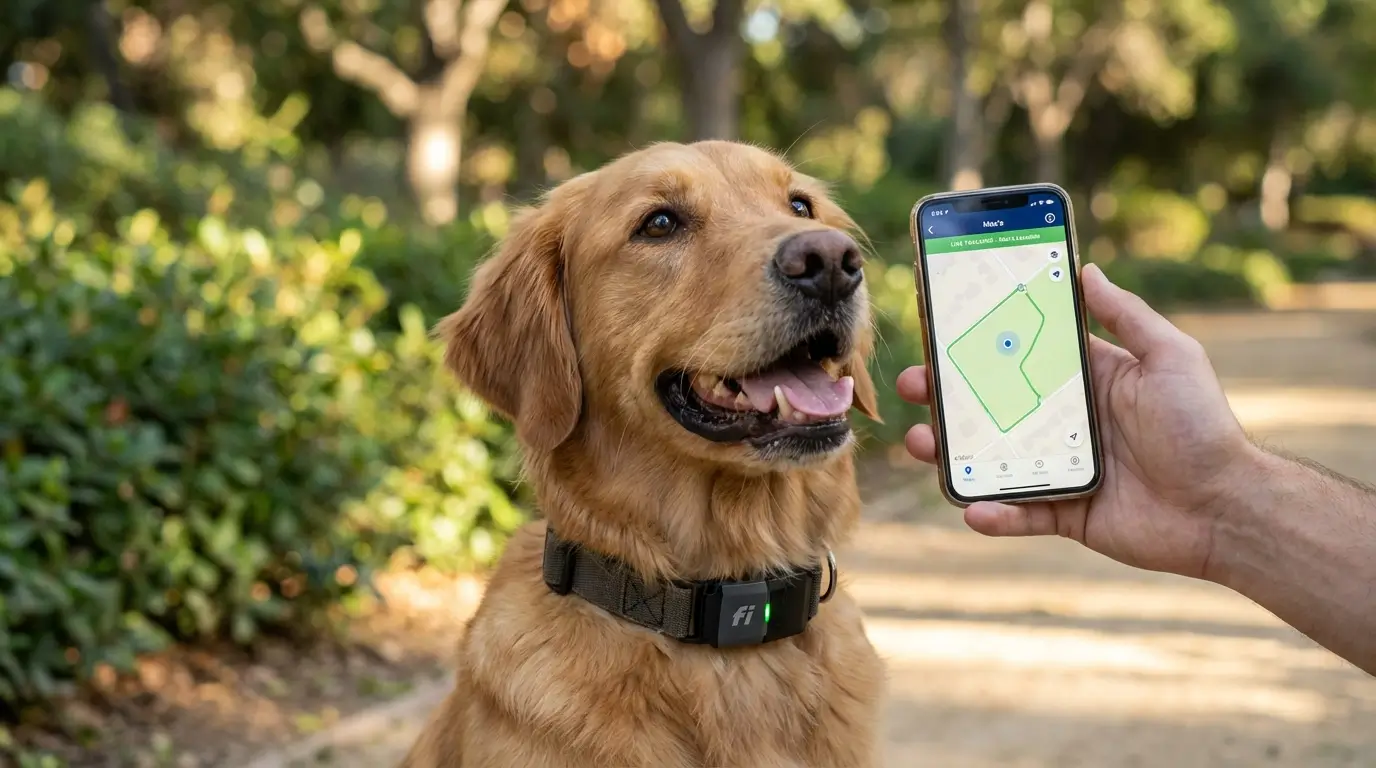
- Current location on a map – usually with standard and satellite views.
- Movement – whether your dog is still, walking, running or on the move in a certain direction.
- Location history – where they’ve been over the past hours or days.
Many GPS collars for dogs add extra features on top of that live dot:
- Virtual fences – you draw a safe zone (your garden, farmyard, campsite) and get an alert if your dog leaves it.
- Activity tracking – step counts, rest vs active time and sometimes calorie estimates, similar to a human fitness tracker.
- Speed alerts – handy for working dogs or if you’re worried they’ve jumped into a car.
What these devices don’t show is just as important. A GPS collar won’t tell you if your dog is injured, with a stranger, or stuck in a ditch. It also relies completely on having enough mobile signal to send the data. If you regularly walk in parts of rural Ireland where your own phone has no data at all, no dog GPS tracker will magically work there either.
GPS for dogs vs microchipping: what’s the difference?
Microchips and GPS collars often get mixed up, but they do totally different jobs. In Ireland, microchipping is a legal requirement for dogs and must be done by 12 weeks of age or before sale/transfer [2]. The chip is a tiny passive device under the skin. It can’t track your dog’s location and doesn’t have a battery.
Instead, a microchip works like this:
- A vet, pound or rescue scans your dog with a handheld reader.
- The reader pulls up a unique number stored in the chip.
- That number is matched to your details on an approved database.
GPS for dogs is the opposite: it helps you find your dog out in the world, but it’s useless if someone finds your dog and takes the collar off. In my experience, the safest setup is both:
- Microchip – permanent ID for life, required by law, no ongoing costs (apart from keeping your details up to date).
- GPS collar – live tracking when your dog goes missing, especially useful for escape artists or off-lead dogs.
So no, GPS isn’t “better” than microchipping. It’s just a different tool. A lost dog with a chip only can be reunited if someone finds them and scans them. A lost dog with GPS only can be found by you even if nobody else helps. Together, you cover both scenarios.
Key features to look for in a dog GPS tracker
When you compare GPS for dogs, the marketing can be a bit overwhelming. Strip it back to these core features:
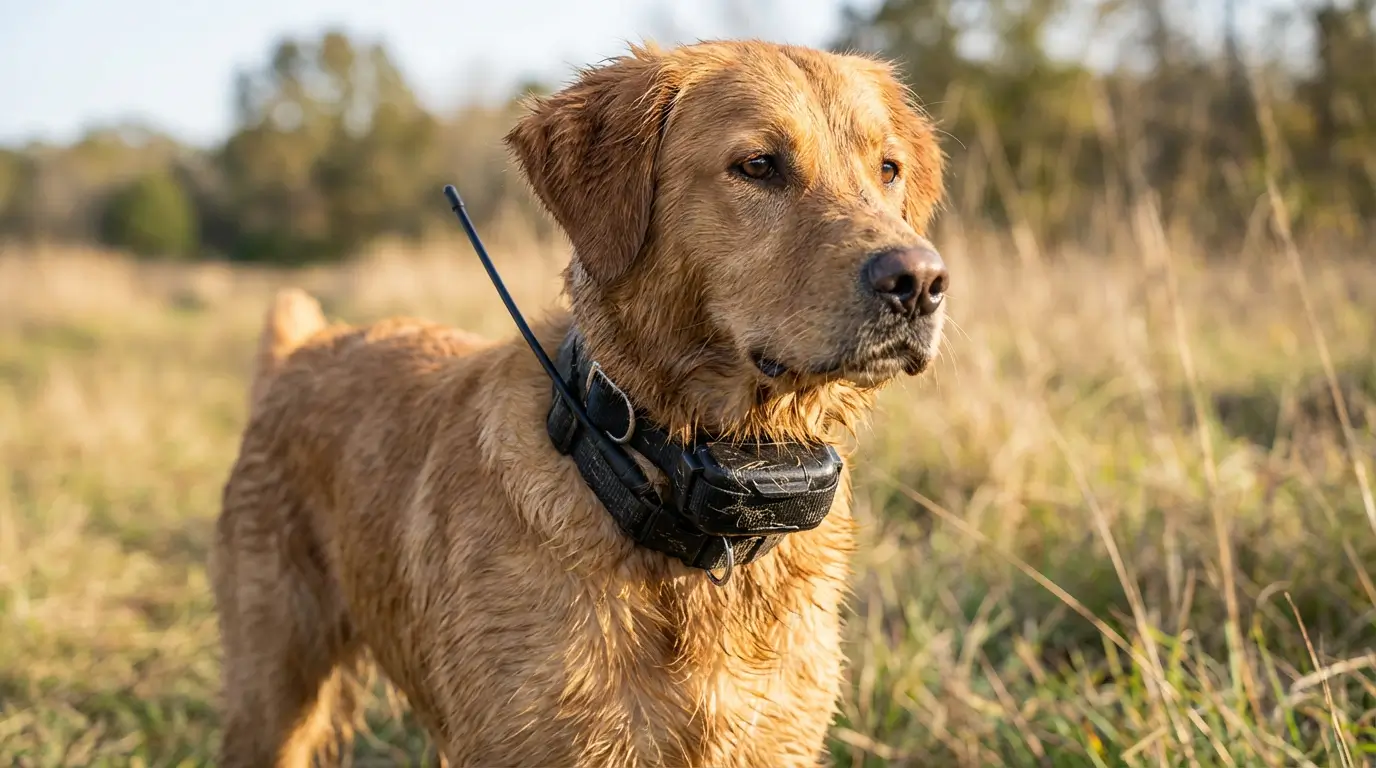
Range and coverage
Classic GPS itself has global coverage, but your tracker still needs mobile or other networks to send data. For Ireland, that means:
- Check which mobile networks the device uses and how coverage is in your area.
- For farm and hill walking, look for multi-network or roaming SIMs where possible.
Some “GPS for dogs without subscription” units actually use short-range radio rather than true GPS+mobile. These can work for garden escapes up to a few kilometres in open ground, but they don’t generally give the same map-based live tracking.
Accuracy and update speed
Most decent devices will be accurate to a few metres in good conditions [1]. More important is how often they update:
- Every 2–10 seconds in live mode is ideal if your dog is actually lost and moving fast.
- Slower updates (30–60 seconds) save battery for normal daily use.
Check if the app lets you switch between power-saving and live tracking modes. That flexibility matters in real life.
Battery life on dog GPS trackers
Battery life on a dog GPS tracker varies massively depending on use:
- Light, daily use with occasional checks: a few days to a week.
- Continuous live tracking with poor signal: sometimes less than a day.
For Irish owners, I’d aim for at least 2–3 days of realistic use. Think about your routine: if you’re likely to forget nightly charging, a longer-life unit is worth paying for. Cold, wet weather can shorten battery life too.
Waterproof rating and durability
Between Irish rain, mucky ditches and sea swims, a waterproof GPS dog collar is non-negotiable. Look for:
- IP67 or IP68 rating – dust-tight and can handle being submerged for a short time.
- Robust housing and secure clip – especially for farm dogs or very active collies and lurchers.
A flimsy tracker that pops off in a gorse bush is no use to anyone.
Do you need a subscription – and what does it cost?
Most true GPS collars for dogs use a built-in SIM to send data over the mobile network. That data connection isn’t free, which is why lots of trackers come with a subscription. In return you get:
- Live location updates via the app.
- Cloud storage of your dog’s location history.
- Access to safety features like virtual fences and alerts.
Typical costs (as of 2024) run somewhere in the range of a few euro per month, often cheaper if you pay annually. Always check:
- Is the SIM built in and managed for you?
- What happens if you stop paying – does the device become just a dead lump of plastic?
There are options for GPS for dogs without subscription. These usually fall into two categories:
- Bluetooth or radio trackers – short range, no ongoing fees, better for garden locating than proper roaming.
- Trackers using your own SIM – you buy and top up a pay-as-you-go SIM. This can be cheaper, but you’ll need to manage credit and APN settings yourself.
If you want true lost dog tracking over long distances in Ireland, a subscription-based dog GPS tracker is usually the simplest, most reliable option, especially if you’re not into fiddling with network settings.
When is GPS for dogs worth it in Ireland?
Not every dog needs a GPS collar, but for some, it’s a game-changer. Think about your dog’s personality, your location and your lifestyle.
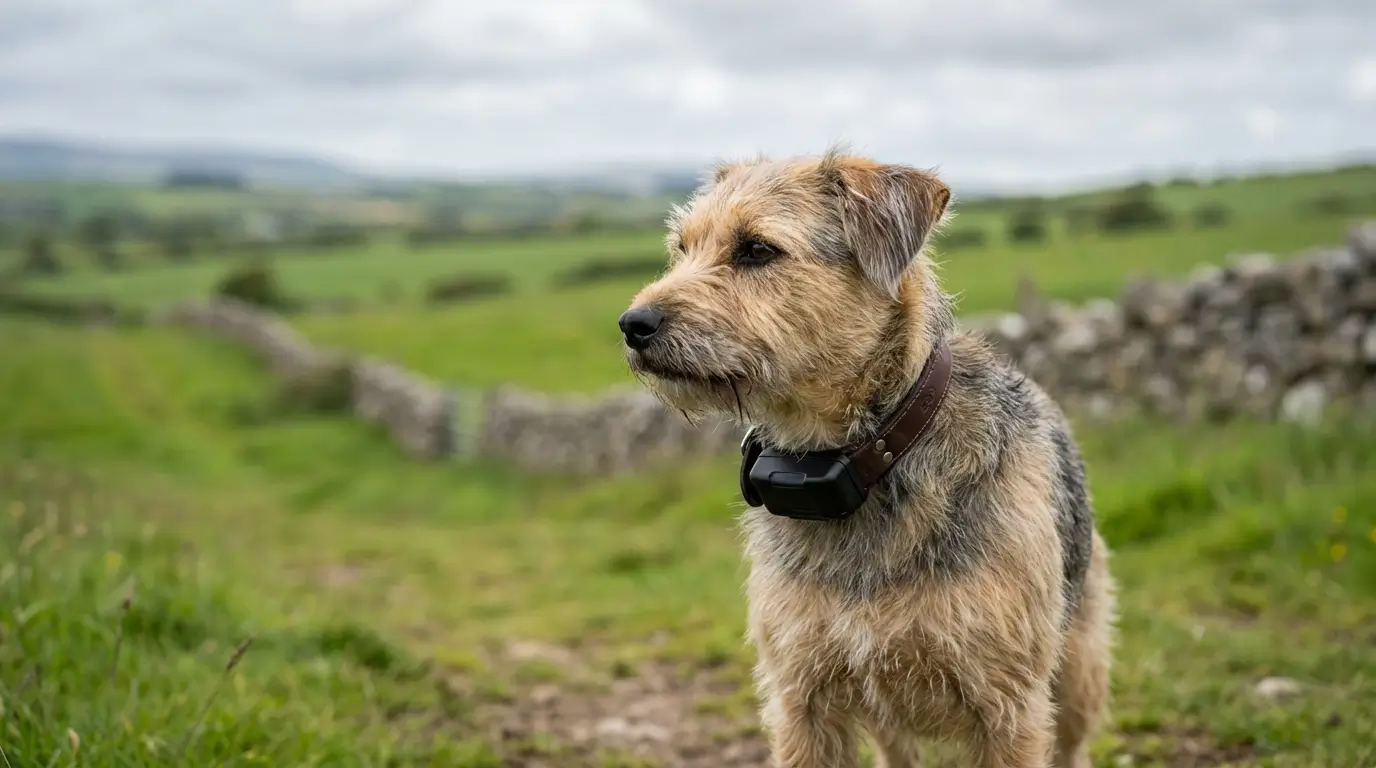
Great candidates for a dog GPS tracker:
- Escape artists – dogs that jump walls, slip harnesses or dig under fences.
- New rescues – until you know their recall and how easily they spook.
- Off-lead adventurers – dogs walking off lead in woods, beaches and mountains.
- Farm and working dogs – especially if they range over large areas or work in hilly terrain.
For Irish-specific scenarios:
- Gardens – if your boundary isn’t dog-proof, a virtual fence alert can give you a head start before they reach the road.
- Beaches – great visibility and accuracy in open spaces; helpful if your dog likes to follow other families.
- Hiking – GPS for dogs really earns its keep here, but only if there’s at least some mobile coverage along your route.
- Rural and farm areas – brilliant for tracking working dogs, though very remote valleys with patchy signal can still be an issue.
If your dog is always on lead, lives in a secure urban garden, and is walked mostly on pavements, a GPS collar for dogs may not be essential. In that case, you might get more value putting money into training, fencing or a sturdy harness.
Practical lost dog tracking tips
Even with the best dog GPS Ireland can offer, you still need a plan for when your dog actually goes missing. From working with owners, here’s what tends to help most:
- Keep the tracker charged – set a reminder on your phone. A flat battery is the most common failure point.
- Double up ID – collar tag with your phone number, legal microchip, and GPS. Redundancy is your friend.
- Use virtual fences – especially around your home and regular walking spots so you get early warnings.
- If they bolt – switch the tracker to live mode straight away, and don’t chase. Use the map to stay ahead and cut off routes to busy roads.
- Share location – some apps let you share your dog’s live location so a friend can help.
For more on preventing escapes in the first place, see our pieces on improving your dog’s recall and making walks safer in Ireland.
Bottom line: is GPS for dogs right for you?
GPS for dogs isn’t magic, and it doesn’t replace good fencing, training or legal microchipping. What it does offer is time – those crucial extra minutes when your dog gets out, bolts on a walk, or chases a rabbit too far.
If you’ve got a dog with a history of wandering, you hike a lot, or you live near busy roads or livestock, a dog GPS tracker is usually money well spent. Focus on solid basics: reliable mobile coverage, decent battery life, proper waterproofing and an app you actually find easy to use.
Take a realistic look at your dog’s habits, your local signal and your budget. If a GPS collar for dogs helps you relax on walks instead of constantly scanning the horizon, that peace of mind alone can be worth the subscription.
Always pair GPS with a microchip, up-to-date ID tags and sensible training. Tech is a tool, not a substitute for good dog management.
References:
- [1] European GNSS Agency – GNSS performance and accuracy overview.
- [2] Gov.ie – Microchipping of Dogs Regulations (Ireland).

5 Common Dog Health Problems

10 Best Irish Pet Rescues 2024

Indoor Cat Risks in Irish Homes