

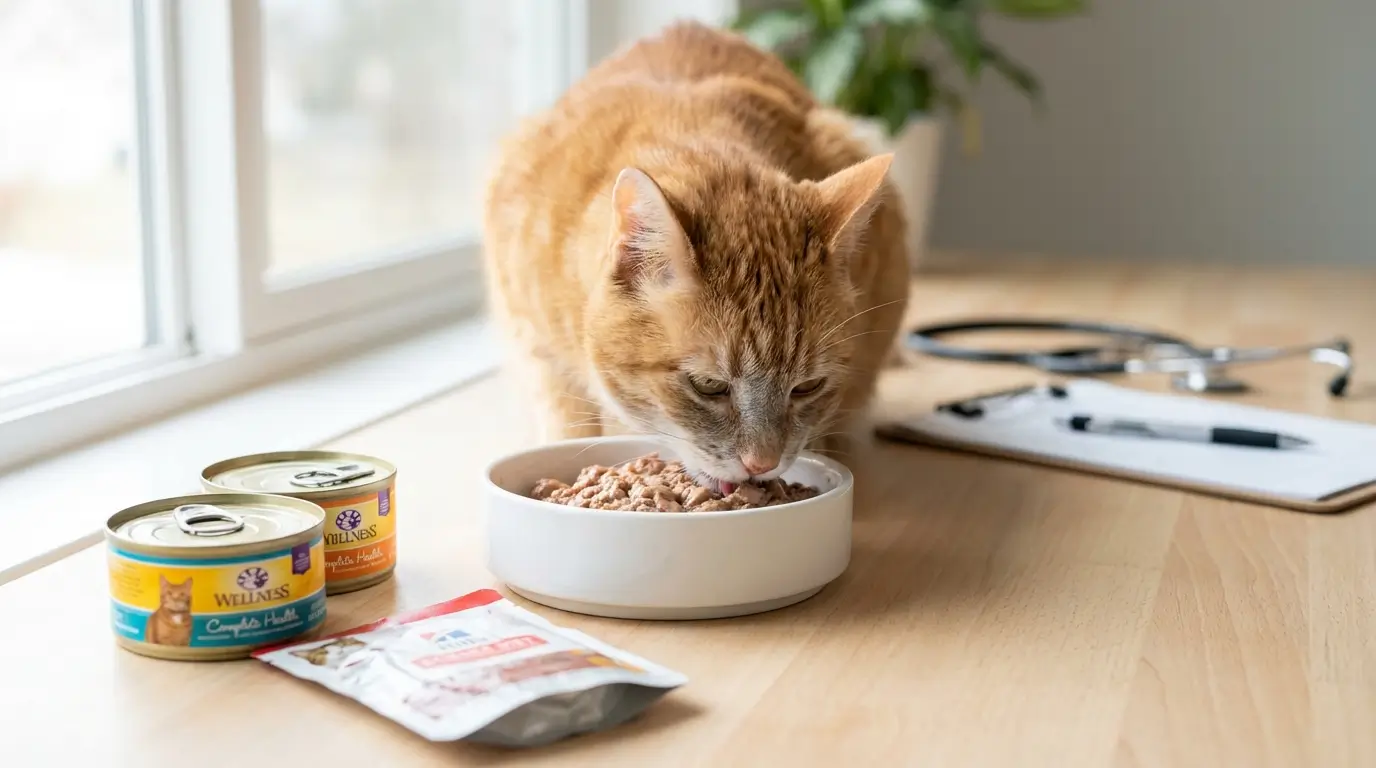
If your older cat is turning their nose up at dinner, losing a bit of weight, or drinking like a camel, the right wet food can genuinely turn things around. This comparison-style guide will walk you through what to look for in the best wet food for senior cats, how it stacks up against dry, and how to switch safely without upsetting a delicate tummy.
Do senior cats really need special wet food?
Let’s clear one myth straight away: your cat doesn’t magically need “senior” printed on the tin the day they turn ten. What they do need is food that matches their health, teeth, and lifestyle. Many older cats cope fine on adult formulas, while others benefit from tailored senior cat wet food because of kidneys, weight, or digestion issues.
Most vets class cats as “senior” from around 11 years and “geriatric” from 15+.[1] As cats age, they’re more likely to develop kidney disease, hyperthyroidism, arthritis and dental disease.[2] These all affect how well they can eat, drink and process nutrients. Wet food can help by providing extra moisture, softer texture, and usually stronger aroma to tempt fussy eaters.
So no, a senior label isn’t mandatory. But a formula that’s easier to chew, smells appetising, and supports kidneys and muscle mass absolutely is. The trick is comparing what’s on the label to what your actual cat needs, not just their age in years.
What to look for in the best wet food for senior cats
Whether you’re buying from the supermarket or through your vet, the best wet food for senior cats tends to share a few features. Think of these as your comparison checklist rather than chasing one “perfect” brand.
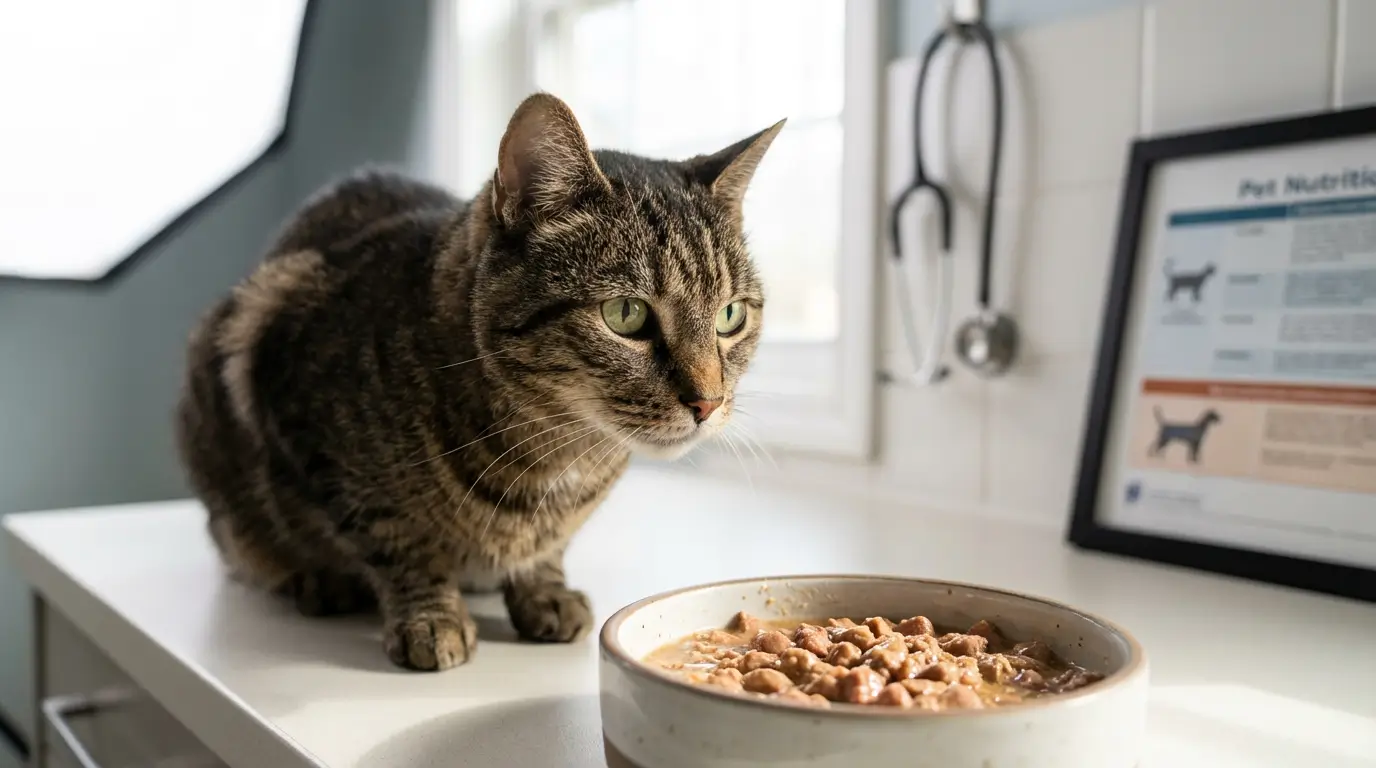
Key things to look for:
- High-quality animal protein as the main ingredient (meat, poultry or fish) to help maintain muscle in older cats.[1]
- Moderate fat – enough calories to prevent weight loss, but not so high that a less active cat gains too much.
- Moisture-rich – most wet foods are around 75–80% water, which supports hydration and kidney health.[3]
- Taurine and essential nutrients (look for “complete” not just “complementary” on the label).
- Easy-to-digest recipe for wet food for older cats with sensitive stomachs – simple ingredient lists and no big jumps in fat or fibre.
If your vet has flagged early kidney changes, comparing phosphorus levels becomes important; low phosphorus wet cat food for seniors can help slow progression of kidney disease.[2] For overweight cats, ask about higher protein, controlled-calorie formulas so they lose fat, not precious muscle.
Bottom line: look past the marketing. Read the ingredients, check it’s a complete diet, then match protein, texture and extras (like joint support) to your cat’s actual health issues.
Wet vs dry food for older cats: which really wins?
Many Irish households have always fed mainly dry kibble. It’s convenient and doesn’t smell the kitchen out. But for older cats, wet vs dry food for older cats is a different comparison to when they were young and bulletproof.
Wet food offers three big advantages for seniors:
- Hydration: Cats are naturally poor drinkers; they evolved getting water from prey. Wet food boosts their water intake and helps reduce the risk of dehydration and may support kidney and urinary health.[3]
- Palatability: Stronger smell and softer texture encourage older, less enthusiastic eaters to finish their meals.
- Chewability: Wet cat food for elderly cats with bad teeth is often much easier to cope with than hard kibble.
Dry food still has its place, especially if your cat likes to graze or needs the extra calories. Some cats do best on a mix: for example, two wet meals a day plus a small measured portion of dry. Your choice will also depend on any medical conditions, which is why regular senior health checks with your vet matter.
For more on hydration and overall senior care, have a read of our piece on keeping older cats healthy and happy (PetPal.ie internal link suggestion).
Textures and recipes for sensitive teeth and tummies
As teeth wear down or dental disease kicks in, texture can matter more than flavour. The best wet food for senior cats with dental issues is the one they can eat comfortably, without dropping food or walking away in frustration.
Texture comparisons for older cats:
- Pâté / mousse: Very soft, no chewing needed, ideal for cats with missing teeth or sore mouths.
- Loaf / chunks in gravy: Good for cats who like to chew a bit; chunks should be small and tender.
- Shredded / flaked: Often very palatable but some cats struggle to pick up long shreds if they’re missing teeth.
For wet food for older cats with sensitive stomachs, go for steady and simple. Recipes with one main protein source and not too many added extras are usually easier to tolerate. Avoid frequent chopping and changing – that alone can cause diarrhoea or vomiting.
When you trial a new food, watch for signs it agrees with your cat: normal stools, no extra vomiting, good appetite, decent energy levels and a stable weight. If you’re unsure what’s “normal” for your cat, jot down their bowel habits and weight before, then check again 3–4 weeks after changing cat food for senior cats.
How wet food supports kidneys, weight and hydration
Many older cats in Ireland end up diagnosed with chronic kidney disease. Wet food can’t cure it, but it can help manage it and keep cats feeling better for longer when part of a proper treatment plan.[2]
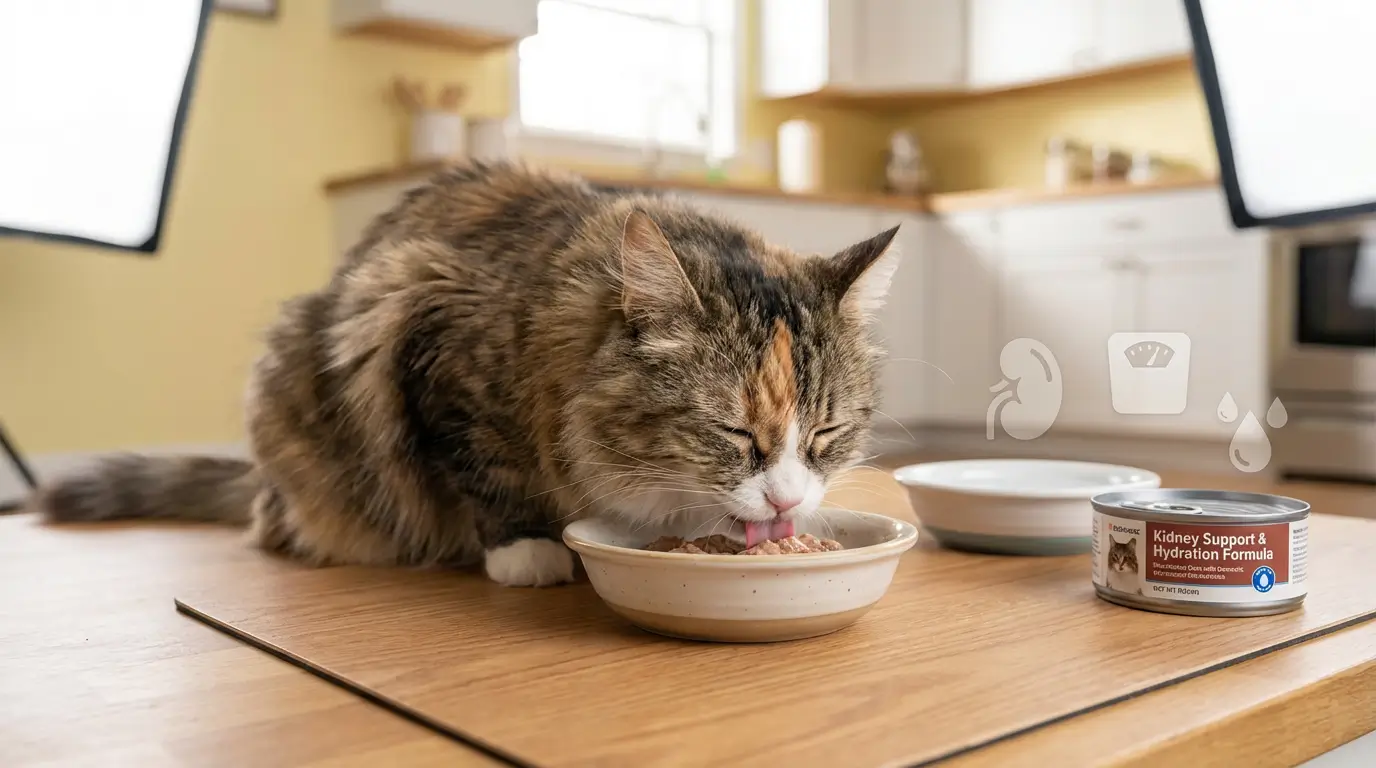
How wet food helps common senior issues:
- Kidney disease: Best wet cat food for kidney support is typically lower in phosphorus and sometimes protein, with added omega-3 fatty acids. These veterinary diets have been shown to improve survival times in cats with kidney disease.[2]
- Dehydration: Wet food’s high moisture content means far more fluid per meal than dry food provides, supporting kidney and urinary function.[3]
- Weight loss or gain: High protein wet food for senior cats can help maintain muscle mass, especially in thinner older cats, while controlled calorie versions support safe weight loss in overweight seniors.
If your vet suspects or confirms kidney issues, that’s the point to ask whether a prescription low phosphorus wet cat food for seniors is needed rather than a supermarket option. The same goes for conditions like diabetes, severe food allergies, or inflammatory bowel disease.
For general weight and body condition tips, check out our article on managing your cat’s weight safely (PetPal.ie internal link suggestion).
How much wet food to feed a senior cat (and how often)
There’s no one-size answer to how much wet food to feed a senior cat. It depends on their weight, activity, body condition, and whether they also get dry food or treats.
As a starting point, most complete wet foods provide a feeding guide based on weight. Use this as a rough estimate, then adjust every couple of weeks based on their body condition score (BCS). The World Small Animal Veterinary Association (WSAVA) has a handy BCS chart showing what an ideal cat should look and feel like.[4]
Practical feeding tips:
- Feed most seniors 2–3 wet meals a day to keep their energy steady.
- For underweight cats, offer an extra small meal or slightly larger portions, with your vet’s blessing.
- For overweight cats, measure food with a proper scoop and cut treats right back.
Always compare what’s in the bowl with the scale. Weigh your cat every 1–2 months at home (if they’ll tolerate it) or at the vet. Consistent slow changes are safer than big swings either way.
Switching from dry to wet food safely
If your cat has lived on biscuits for years, swapping to mainly wet can’t be done overnight. A rapid change is one of the most common reasons older cats develop diarrhoea or go off their food completely.
How to switch in 7–10 days:
- Days 1–3: 75% old food, 25% new wet food.
- Days 4–6: 50/50 mix.
- Days 7–10: 25% old food, 75% new wet food.
- After day 10, move to 100% new food if your cat is eating well and stools look normal.
If your cat refuses mixed bowls, you can offer separate bowls side by side but still keep the change gradual. Warming wet food slightly and stirring can boost the aroma for fussy seniors. If they stop eating for more than 24 hours, call your vet – older cats are at higher risk of liver issues if they fast.
During the transition, monitor for vomiting, diarrhoea, constipation, or flat refusal to eat. Any of these lasting more than a couple of days is a sign to slow down or talk to your vet.
Ingredients to avoid and the grain free question
For most healthy older cats, the quality and balance of protein, fat, and minerals matters more than whether the food is grain free. There’s no strong evidence that grain free wet food for senior cats is automatically better if your cat doesn’t have a diagnosed allergy or intolerance.[1]
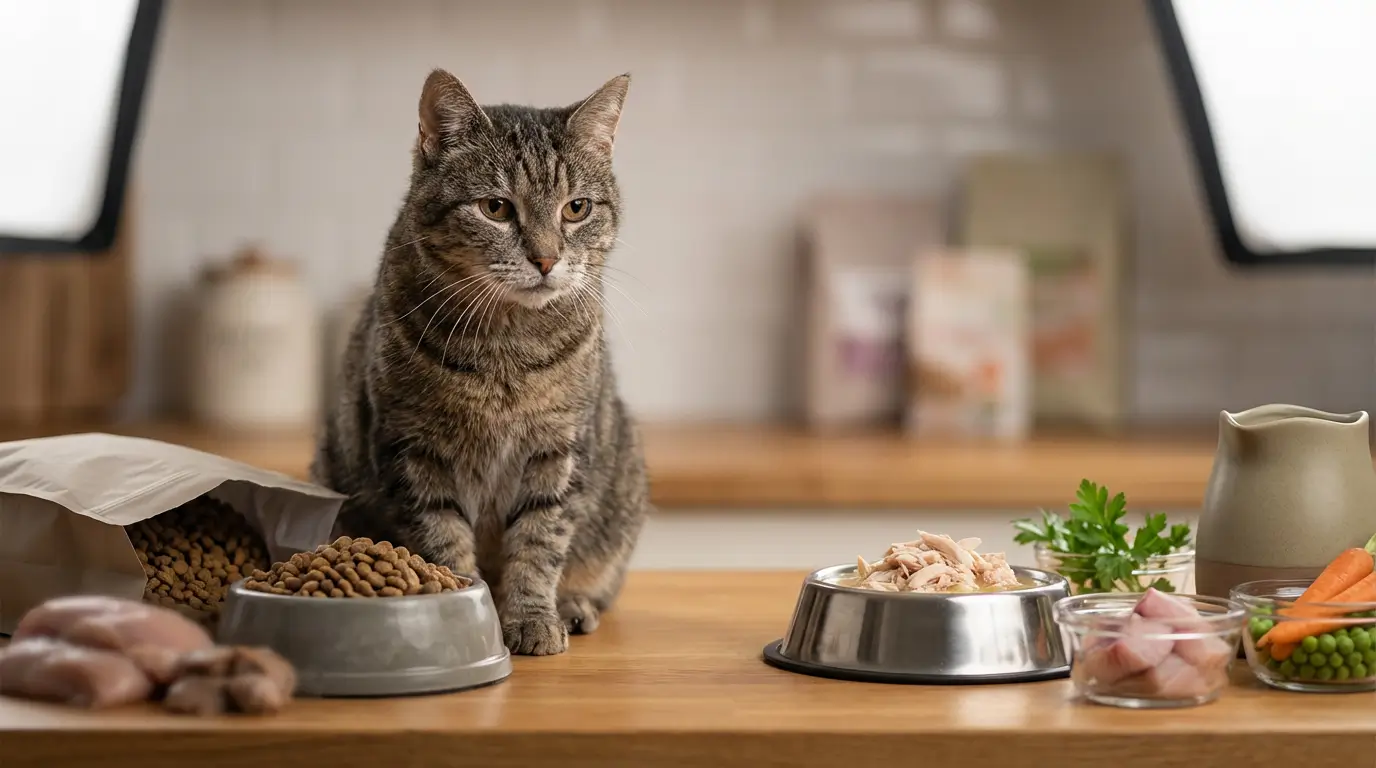
Be cautious with:
- Very high phosphorus content in cats with kidney problems.
- Very rich, high-fat recipes for cats with a history of pancreatitis or sensitive stomachs.
- Constantly changing flavours and brands, which can upset digestion.
If your cat does have confirmed food allergies, your vet may suggest a specific grain free or novel protein diet. That’s less about marketing and more about reducing exposure to known triggers.
As for spotting whether a new food agrees with your older cat’s digestion, look at the whole picture: good appetite, normal behaviour, formed but not rock-hard stools, minimal gas, and no new skin or ear problems. Keep a simple food and symptom diary if you’re unsure – it’s incredibly helpful at vet visits.
When to consider prescription wet food
Supermarket and pet shop diets are fine for many seniors, but there are clear times when prescription wet food is worth discussing with your vet.
Ask about a prescription diet if your cat has:
- Chronic kidney disease or repeated urinary issues.
- Diagnosed diabetes, pancreatitis, or inflammatory bowel disease.
- Severe food allergies confirmed by a vet.
- Significant unexplained weight loss despite eating well.
These diets are usually more precisely balanced (for example, best wet cat food for kidney support with controlled phosphorus and added omega-3s) and are backed by clinical studies.[2] They are not a magic fix on their own, but they’re a key part of a proper treatment plan.
If cost is a concern, be honest with your vet. Often you can use a prescription food as the main diet and a more affordable complete wet food for treats or toppers, as long as the overall balance works for your cat’s condition.
Bringing it all together
Choosing the best wet food for senior cats isn’t about chasing one perfect brand. It’s about matching moisture, protein, texture and mineral levels to the cat sitting in front of you – their teeth, kidneys, weight and personality.
Compare labels, change cat food for senior cats slowly, and keep a close eye on weight, litter tray habits and energy. If anything feels off, or your cat has existing health issues, rope your vet in early and ask outright whether a senior cat wet food or prescription formula would help.
Your next step? Pick one or two promising complete wet foods that fit your cat’s health profile, plan a gradual 7–10 day transition, and book a senior check-up if they haven’t had one in the past year. A few small tweaks now can buy your old friend a lot more comfortable years by your side.
“References: [1] American Animal Hospital Association (AAHA) Feline Life Stage Guidelines; [2] International Renal Interest Society (IRIS) CKD management resources; [3] Royal Veterinary College advice on feline hydration; [4] World Small Animal Veterinary Association (WSAVA) Global Nutrition Toolkit.”

5 Common Dog Health Problems

10 Best Irish Pet Rescues 2024
Indoor Cat Risks in Irish Homes