

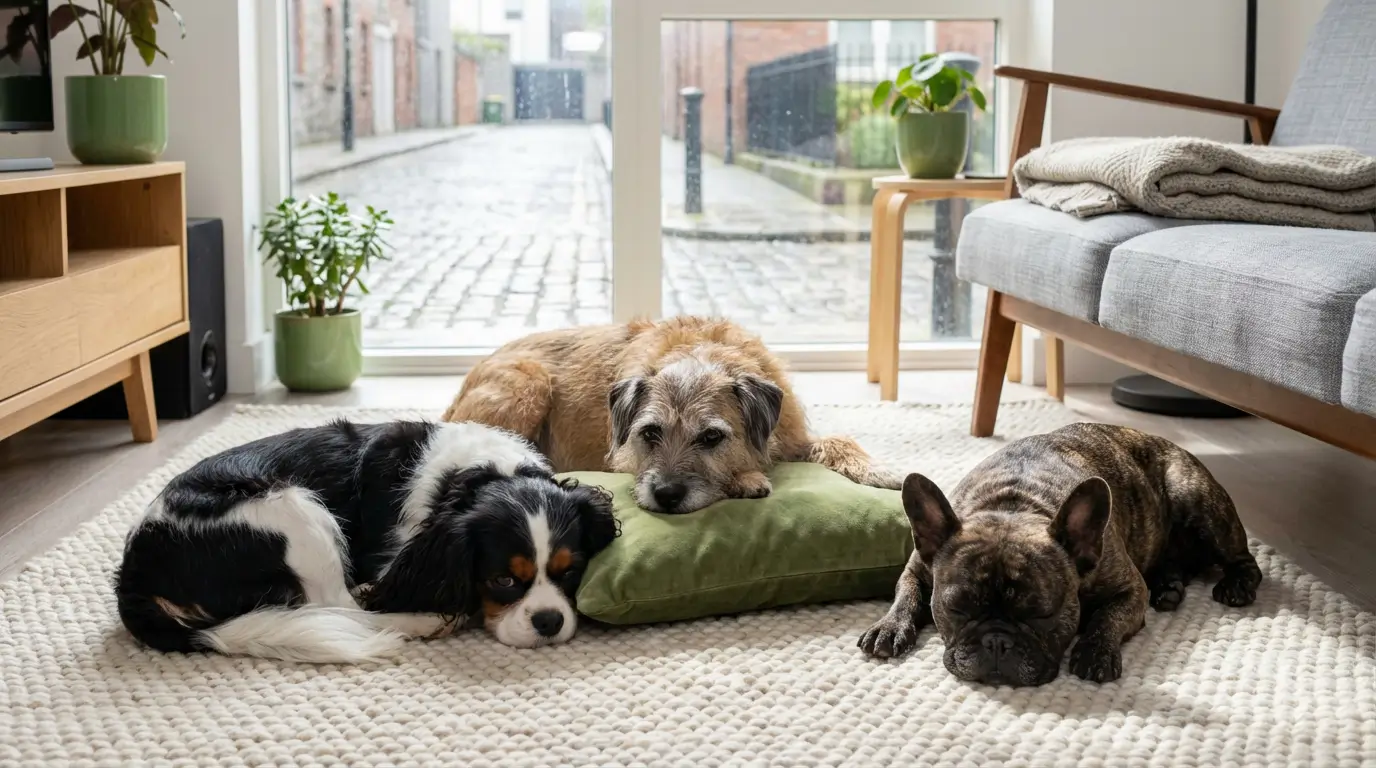
If you love the idea of a dog but live in a small Irish apartment with thin walls and a postage-stamp balcony, you’re not stuck with goldfish. The right dog, matched to your space and lifestyle, can do brilliantly in a flat.
In this piece we’ll look at what actually makes the best dog breeds for apartments in Ireland, which breeds tend to cope well in smaller homes, how much exercise they really need in our wet, windy climate, and how renting rules and neighbours come into play.
What makes a dog suitable for apartment living in Ireland?
Size is the first thing people think about, but it’s not the most important. A calm greyhound can be easier in a flat than a hyper terrier. For Irish apartments specifically, you’re usually working with:
- Limited indoor space
- Shared walls and close neighbours
- Restricted or no private garden
- Often, renting rules and pet clauses
So the real priorities are:
- Temperament: relaxed, biddable, not highly reactive to noise in hallways or lifts.
- Noise level: low to moderate barking; chronic barking is the fast track to neighbour complaints.
- Energy and exercise needs: happy with short walks plus play, not a dog bred to run all day.
- Size and build: big enough to be robust, small enough to move comfortably in tight spaces.
- Trainability: reasonably easy to house-train and teach quiet, settle and recall.
Irish weather matters too. Dogs who are miserable in the rain can be hard work when your only option is a quick street walk in a downpour. A good apartment dog in Ireland is one that copes with short, frequent walks, indoor enrichment and has enough resilience to our damp climate.
Best dog sizes and temperaments for small Irish homes
Let’s talk dog size for apartments first. Smaller isn’t always easier, but very large, boisterous breeds (think young Labradors, German Shepherds) can feel cramped and knock into furniture in tight hallways.
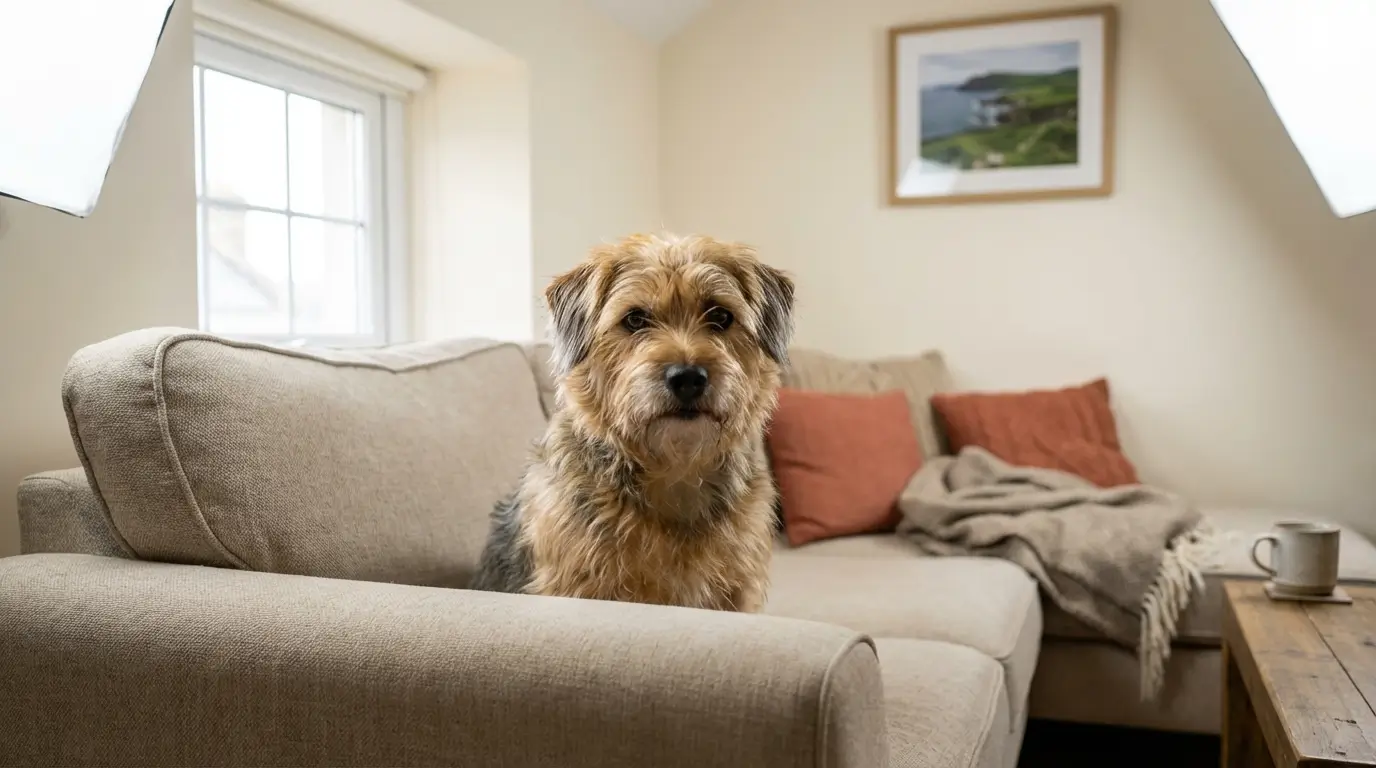
In practice, most Irish apartment owners do best with:
- Small to medium breeds (up to ~15–20 kg) that can stretch out on a standard sofa and move comfortably through narrow spaces.
- Light-boned larger breeds with low energy, like greyhounds, if building rules allow.
Temperament is where things are won or lost. For dog temperament for city living, you want dogs that are typically:
- People-friendly without being constantly demanding.
- Dog-neutral – they don’t have to adore every dog on the street, but should be manageable on lead.
- Noise-tolerant – less likely to lose the plot at every door slam or lift ping.
Breeds and types often recommended as apartment friendly dogs include Cavalier King Charles Spaniels, Bichon Frise, Shih Tzu, whippets and greyhounds, as well as many mixed-breed dogs with gentle, low-energy temperaments. Always remember there’s huge variation within breeds; meet the actual dog, not just the breed stereotype.
Small, quiet and low-energy: strong candidates for Irish flats
If you’re specifically after small dog breeds for apartments and quiet dog breeds for flats, there are some usual suspects worth considering. These aren’t guarantees – training and socialisation matter – but they’re a good starting point.
Bichon Frise and similar companions
Bichon Frise, Havanese and some Maltese can be excellent dogs for small homes. They’re generally:
- Small and portable
- Cheerful and people-oriented
- Happy with short walks and indoor play
Many are hypoallergenic apartment dogs in the sense that they shed less dander onto floors and furniture, which may help some allergy sufferers, though no dog is truly 100% hypoallergenic [1]. Their coats do need regular grooming.
Cavalier King Charles Spaniel
Cavaliers are classic lapdogs. When well-bred and well-exercised they’re usually:
- Affectionate but not as yappy as some toy breeds
- Adaptable to a couple of decent walks plus sofa time
- Small enough for flats yet sturdy enough for kids (with supervision)
Health testing is crucial with Cavaliers due to known breed issues; work with an ethical breeder or consider a rescue.
Greyhounds and whippets
This surprises a lot of people, but retired racing greyhounds are often called “45 mph couch potatoes”. They’re usually calm indoors and content with a couple of good walks and the odd sprint [2]. Whippets are similar but smaller.
These breeds do need secure leads and care with small furries due to their chase instinct, but as low energy dog breeds Ireland options, they’re hard to beat. Many rescues in Ireland have greyhounds and lurchers needing homes.
Barking, neighbours and genuinely quiet breeds
One of the biggest issues in flats is noise. Chronic barking can lead to complaints and, in a rental, serious trouble with your tenancy. While any dog can bark, some breeds are generally quieter than others, especially when their emotional needs are met.
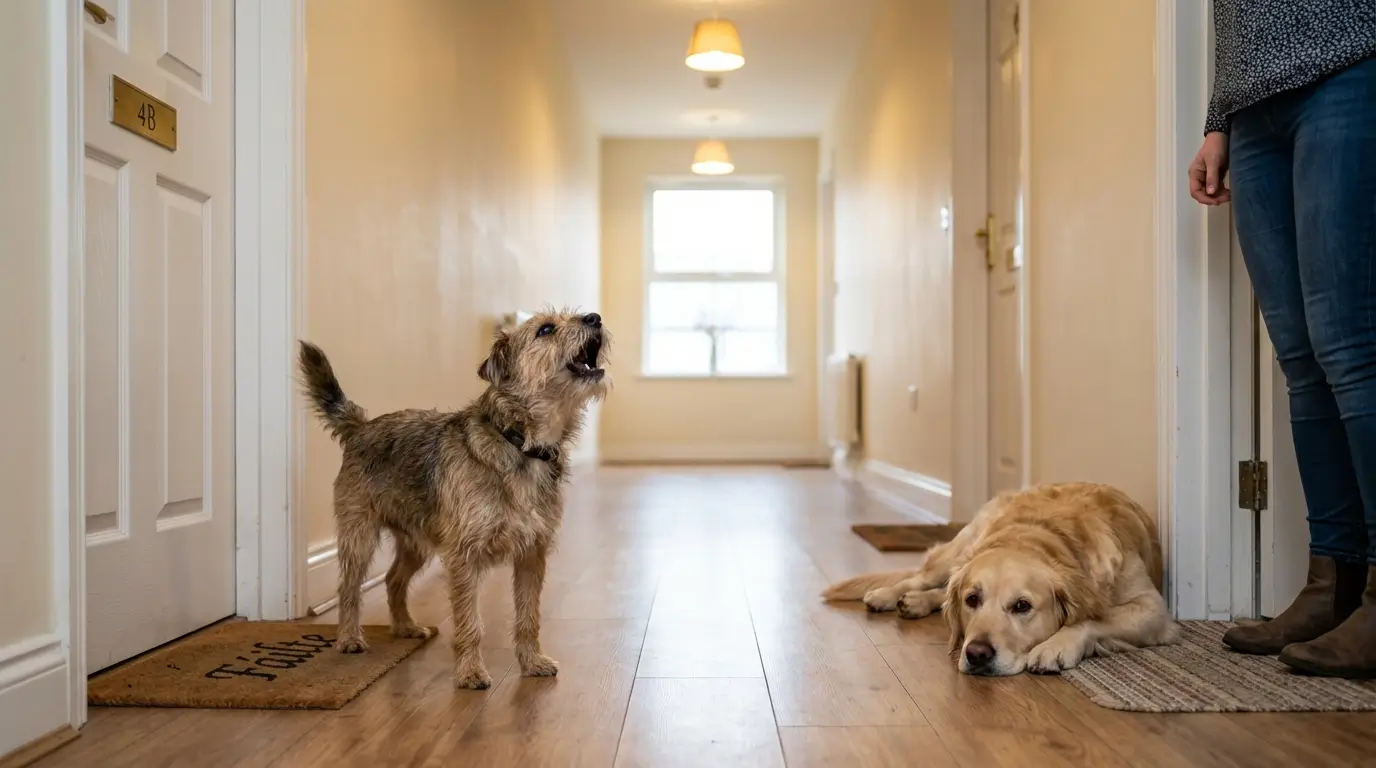
Usually calmer, lower-barking types include:
- Greyhounds and whippets – typically laid-back, less prone to “alarm barking”.
- Cavaliers and many spaniel crosses – more likely to whine for company than sit and bark at the wall.
- Shih Tzu, Bichon and similar – can bark at the door, but are small enough that the noise carries less and can be trained down.
Terriers, herding breeds (Collies, German Shepherds, Huskies, etc.) and some guarding breeds can be much more vocal. That doesn’t mean they’re impossible in apartments, but they take more management and training to keep sound levels neighbour-friendly.
Whichever breed you choose, plan to:
- Teach a reliable “quiet” cue.
- Leave interactive toys when you’re out.
- Avoid leaving a young dog alone for long workdays from day one.
- Use white noise or a radio to muffle hallway sounds if your dog is reactive.
Exercise needs for small dogs in an Irish climate
Many people assume small dogs = minimal exercise. That’s not automatically true. Some small breeds, like Jack Russells or miniature collies, are tiny bundles of energy that can out-walk most humans.
For genuinely apartment friendly dogs, aim for breeds typically content with:
- Two 20–30 minute walks most days
- Extra sniffy toilet breaks for puppies and older dogs
- Daily mental enrichment – training games, puzzle feeders, scent games
The Irish climate actually helps a bit. Our temperatures are usually mild rather than extreme, so year-round walking is possible with decent rain gear. The challenge is the rain and dark evenings, especially if you don’t feel safe walking late.
That’s where indoor enrichment is your friend. For exercise needs for small dogs in apartments, mix it up with:
- Short training sessions (sit, stay, tricks)
- Hide-and-seek with treats or their dinner
- Tug and fetch in the hallway, if safe
- Doggy playdates in secure spaces, when temperament allows
As a rule of thumb, most companion breeds do well with around an hour of combined physical and mental activity per day, which fits reasonably with work and commutes for many Irish owners [3]. High-drive working breeds generally need more.
Renting in Ireland: rules, landlords and choosing wisely
Here’s the awkward bit. You can pick one of the best dog breeds for apartments in Ireland, but if your lease bans pets you’re stuck. Ireland has no automatic right to keep pets in rentals; it’s down to the tenancy agreement and the landlord.
That said, you can sometimes negotiate. Many landlords are more open to:
- Smaller, well-trained dogs with references from previous landlords or vets
- Neutered animals with up-to-date vaccinations
- Breeds perceived as low-risk and low-noise
Breed choice can affect whether you get a “yes”. A calm Cavalier or Bichon in an upstairs flat is usually an easier sell than a large guarding breed or very vocal type. Always get written permission before bringing a dog into a rental, and check building management rules as well as the lease.
It’s also worth planning ahead for:
- Pet deposits or slightly higher rent – increasingly common where pets are allowed.
- Insurance that covers damage and third-party liability.
- Future moves – choosing a common, accepted breed often makes the next rental hunt easier.
For more on planning ahead with a new pet, see our piece on pet adoption in Ireland, and if you’re torn between cats and dogs in a flat, our cats vs dogs for busy owners article can help you weigh it up.
Putting it together: matching the dog to your life
Breed lists are handy, but your individual routine matters more. Before you fall in love with a puppy photo, be brutally honest about:
- How many walks you can manage on a wet January weekday.
- How often you’re actually home.
- Whether your neighbours are very noise-sensitive.
- Your budget for grooming, training and vet care.
In my experience, the happiest apartment dogs in Ireland usually fall into one of these groups:
- Retired greyhounds and lurchers with a couple of good outings a day.
- Small companion breeds like Cavaliers, Bichon, Shih Tzu and mixes.
- Steady adult rescue crosses whose personality is already known.
If you’re unsure, chat to a reputable rescue or your local vet. They see every combination of dog, home and lifestyle, and can steer you towards a dog who will thrive in your specific set-up rather than just survive.
Sharing a small Irish flat with a dog can be brilliant – more cuddles, more walks, more structure to your day. Choose for temperament, energy level and noise first, double-check your rental rules, and build in daily training and enrichment. Do that, and you’re well on your way to a relaxed, content dog who doesn’t care in the slightest that they don’t have a half-acre garden.
“No dog is truly hypoallergenic, but some breeds and crosses shed fewer allergens and may be better tolerated by some people with allergies.” [1]
“Retired racing greyhounds often adapt well to home life and require less exercise than many people expect, making them suitable for smaller homes.” [2]
“Most healthy adult dogs benefit from at least 30–60 minutes of exercise per day, adjusted for age, health and breed.” [3]
References
- [1] Mayo Clinic – Pet allergy: Are there hypoallergenic dogs? (2023)
- [2] RSPCA – Greyhounds as pets (accessed 2024)
- [3] PDSA – How much exercise does my dog need? (2024)
5 Common Dog Health Problems

10 Best Irish Pet Rescues 2024
Indoor Cat Risks in Irish Homes