


Nearly half of all dogs over three years old suffer from periodontal disease, making it the most prevalent health issue in UK pets [1]. As a busy dog owner in Ireland, spotting these common dog health problems early can save you heartache and vet bills. In this piece, we’ll break down the top five dog health issues, their signs of dog illness, how to spot early symptoms in dogs, breed risks, and when to call the vet—all with practical checklists to keep your mate thriving.
Obesity: The Silent Epidemic
Dogs carrying extra weight face a cascade of problems, from diabetes to heart strain. According to the PDSA, 65% of dogs in the UK are overweight or obese [2]—a stat that hasn’t budged much here in Ireland either. Here’s the thing: it’s often down to overfeeding and too few walks, but reversing it starts with awareness.
Signs of Obesity in Dogs
- No waist visible when viewed from above.
- Ribs hard to feel under a layer of fat.
- Reluctance to exercise or play, heavy panting after short bursts.
- Fat pads on the base of the tail or over the hips.
Early symptoms creep in subtly: your dog might lag on walks or sleep more. Labrador Retrievers and Beagles top the breed risks due to genetics and food drive [3].
Preventing and Managing Dog Weight Issues
Switch to measured meals—30% less than free-feeding often does the trick. Add low-cal veggies like green beans as fillers. Aim for 30 minutes of brisk walking daily, split if needed. Track progress weekly with a body condition score chart from your vet. In my experience, owners who weigh food portions religiously see results in four weeks.
That said, sudden weight gain signals thyroid issues or Cushing’s—vet check essential.
Dental Disease: More Than Bad Breath
By age two, 80% of dogs show signs of dental problems, per the American Veterinary Dental College [4]—and UK figures mirror this. Plaque builds to tartar, leading to gum disease, tooth loss, and bacteria spreading to organs like the heart and kidneys.

Early Symptoms to Watch For
- Bad breath that knocks you back.
- Yellow-brown tartar on teeth.
- Red, swollen gums or drooling.
- Difficulty eating, pawing at mouth, or loose teeth.
Small breeds like Chihuahuas and Dachshunds face higher risks from crowded teeth [5]. Spot these signs of dog illness weekly during brush time.
Practical Prevention Checklist
- Brush teeth daily with enzymatic dog toothpaste—enzymes dissolve plaque better than human stuff.
- Offer dental chews approved by the Veterinary Oral Health Council (VOHC).
- Feed kibble over wet food; larger chunks scrape teeth.
- Annual vet dental checks with scaling under anaesthetic if needed.
Expert tip: Start puppies young—they accept brushing easier. Neglect this, and you’re looking at €500+ extractions.
Ear Infections: A Persistent Nuisance
Ear issues plague 20% of dogs yearly, especially floppy-eared ones [6]. Moisture, yeast, and bacteria thrive in warm canals, causing pain and head-shaking misery.
Key Signs Indicating Ear Problems
- Head tilting or scratching ears obsessively.
- Redness, swelling, or black/brown discharge.
- Foul odour like mouldy bread.
- Sensitivity to touch—yelping when you check.
Cocker Spaniels and Labs are prone due to ear shape [3]. Early symptoms in dogs include mild rubbing; ignore, and it becomes chronic.
How to Clean and Prevent
Weekly ear cleaning with vet-recommended solution: lift flap, fill canal, massage base, let shake out, wipe excess. Dry ears thoroughly after swims—use a microfibre towel. Avoid Q-tips; they push debris deeper. Allergies often underlie repeats, so check diet.
In my experience with rescue Spaniels, consistent drying halves infections. Seek vet if pus or balance loss—could be deeper issues.
Skin Allergies and Infections
Allergies affect 10-15% of dogs, causing itchy skin and secondary infections [7]. Food, pollen, or fleas trigger red, scabby patches—common dog health problems that escalate fast.
Spotting Skin Issue Symptoms
- Constant licking, chewing paws or belly.
- Red hotspots, hair loss, scabs.
- Recurrent hotspots or yeasty smell.
- Shaking head with ear involvement.
French Bulldogs and Bulldogs suffer breed-specific atopic dermatitis [5]. Watch for seasonal flares as early clues.
Treatment and Prevention Steps
- Flea control year-round—one bite starts it.
- Hypoallergenic diet trial for 8 weeks; note changes.
- Medicated shampoos weekly—oatmeal soothes, chlorhexidine kills bacteria.
- Omega-3 supplements reduce inflammation (1g EPA/DHA per 10kg bodyweight daily).
Did you know? Hydrolysed protein diets break allergens [8]. Patchy response? Vet for cytology swabs.
Arthritis and Joint Problems
One in five dogs over eight has osteoarthritis [9], grinding hips and elbows. Large breeds bear the brunt, but any dog slows with age.
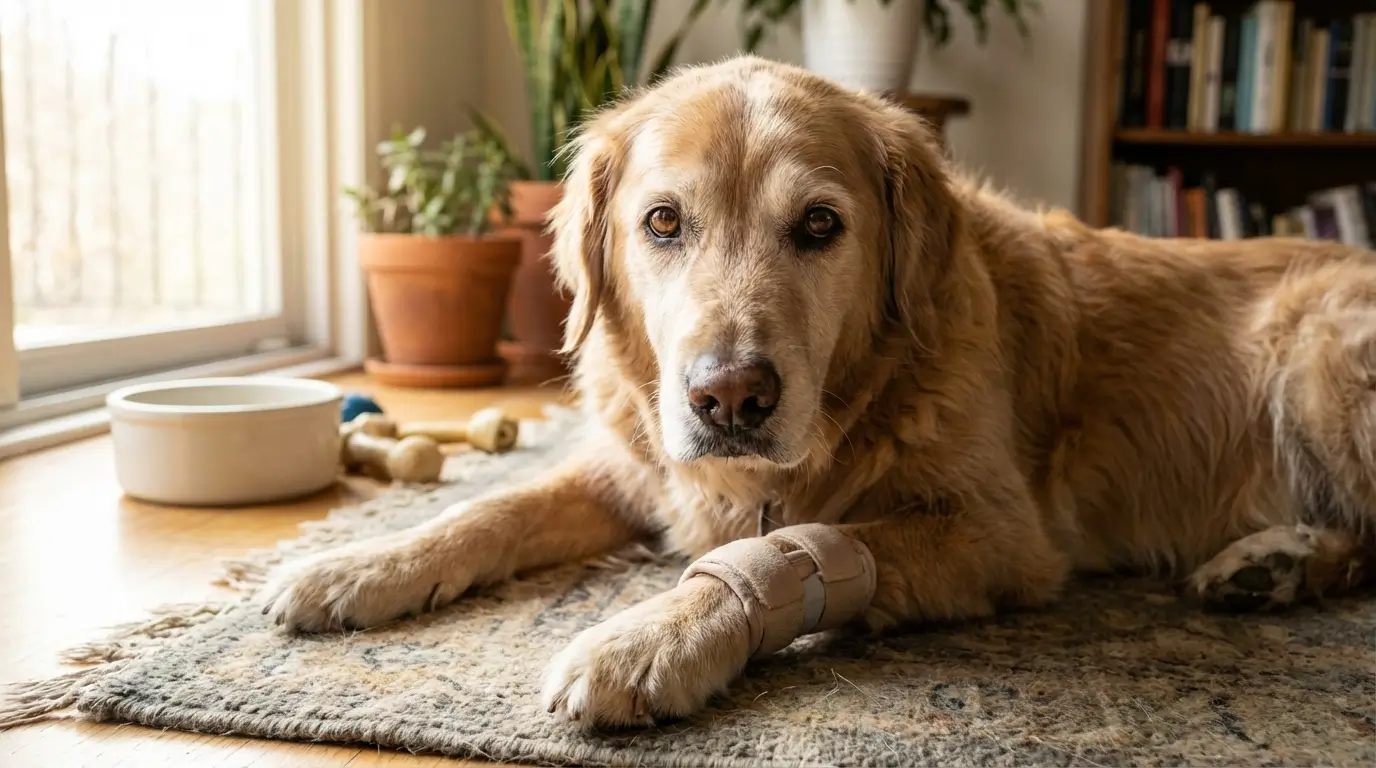
Early Indicators of Joint Pain
- Stiffness rising from beds or after rest (‘cold mornings’).
- Limping, bunny-hopping downstairs.
- Personality shift: less playful, irritable.
- Muscle wasting around affected joints.
German Shepherds and Rottweilers risk hip dysplasia [3]. Subtle signs like skipping jumps signal start.
Managing and Slowing Progression
Weight control is king—every kilo off eases joints. Joint supplements with glucosamine/chondroitin (dose per label) build cartilage. Physiotherapy: 10-minute daily swims or gentle ramps. Pain meds only via vet; NSAIDs like carprofen work wonders short-term.
Ramps for cars prevent leaps. Track mobility scores monthly. Advanced cases need X-rays.
When to Seek Vet Help for Dog Health Issues
Not every limp needs a rush, but know red flags for common dog health problems. Collapse, bloody vomit, seizures, or breathing distress? Emergency now. Persistent symptoms over 48 hours warrant a check.
Urgent vs. Routine Signs Checklist
- Emergency: Pale gums, uncontrolled bleeding, trauma.
- Urgent (24h): Vomiting/diarrhoea 2+ days, lethargy unresponsive.
- Routine: Mild itch, slow weight gain—book ahead.
Breeds with risks (e.g., Boxers for heart) need baselines young [5]. Annual wellness exams catch preventing dog ailments early.
Budget for it: Irish vets charge €50-100 consults. Better safe than €1,000 surgery.
Preventing Dog Ailments: Your Daily Routine
Proactive care slashes risks. Vaccinate, worm/flea monthly, feed AAFCO-approved diets. Yearly bloods screen kidneys/liver.
- Home checks: teeth, ears, skin, weight weekly.
- Exercise: breed-appropriate, rain or shine.
- Diet tweaks: senior formulas post-7 years.
Track in a journal. Communities like Irish Kennel Club forums share tips [10].
In my experience, consistent owners rarely face crises.
Summing up, these common dog health problems—obesity, dental woes, ears, skin, joints—hit hard but yield to vigilance. Use the checklists, watch breeds’ weak spots, and act on signs of dog illness pronto. Your vet’s your best mate here; book that check-up today. Got a dodgy pup? Share symptoms in comments—happy to chat tips.
Sources:
[1] PDSA.org.uk, 2023 Pet Wellbeing Report.
[2] PDSA, Obesity Factsheet.
[3] Kennel Club UK, Breed Health.
[4] AVDC.org.
[5] VetCompass Study, RVC.ac.uk.
[6] Banfield Pet Hospital Report.
[7] BSAVA Dermatology Guidelines.
[8] WSAVA Nutrition Toolkit.
[9] Arthritis Research UK, Pet Section.
[10] Irish Kennel Club.

5 Common Dog Health Problems

10 Best Irish Pet Rescues 2024

Indoor Cat Risks in Irish Homes