

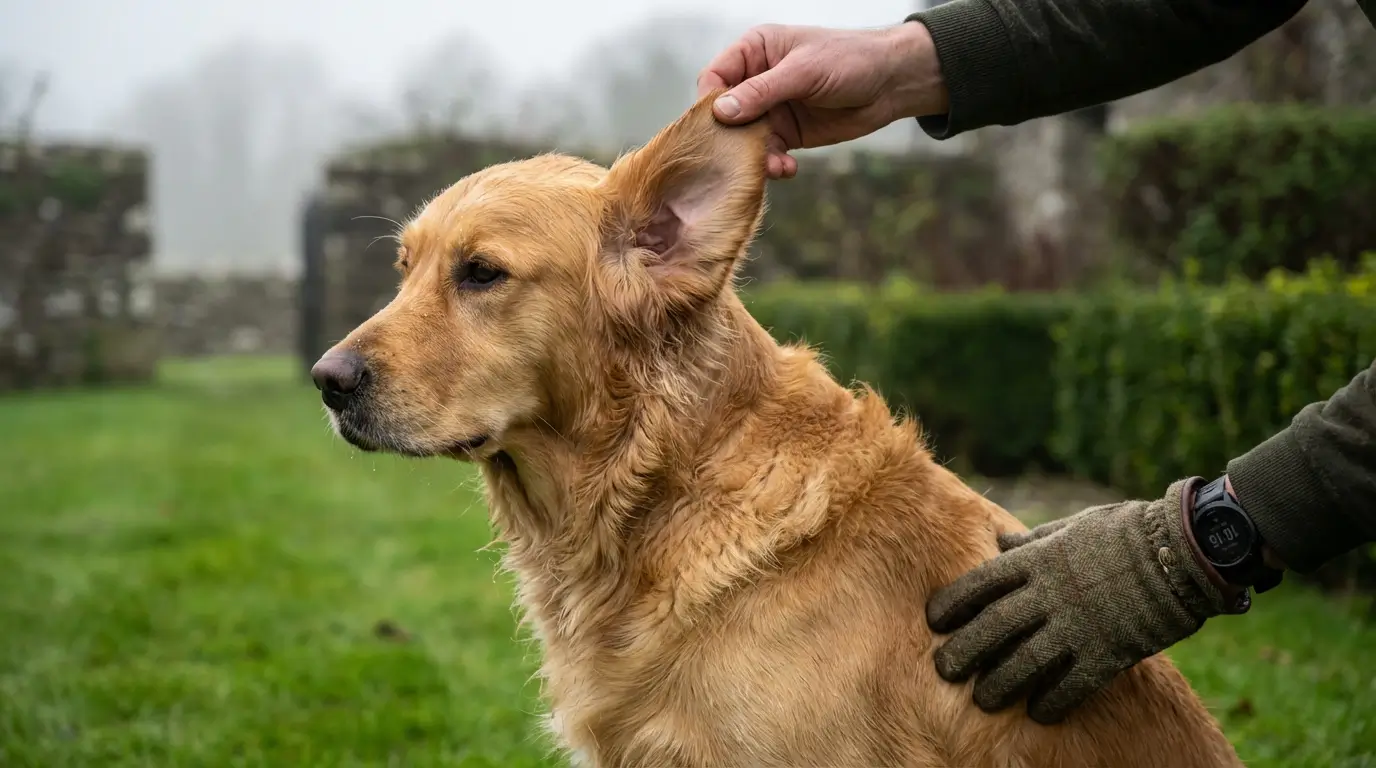
Ireland’s damp climate contributes to 30% more cases of fungal skin infections in dogs than in drier regions [1]. With rain and humidity year-round, these 10 straightforward health checks help busy owners spot issues early, from mould-prone skin to creaky joints.
Why Damp Weather Hits Dogs Hard
Here’s the thing: Ireland’s wet weather doesn’t just make walks soggy—it ramps up risks like yeast overgrowth, bacterial hot spots, and worsened arthritis. Constant moisture traps dirt and fosters fungi, especially in thick-coated breeds like Labradors or Spaniels common here.
Damp conditions also soften paws, inviting cracks and infections, while cold air aggravates joints already stiff from age or breed predisposition. In my experience chatting with vets around Dublin and Cork, prevention starts at home. These checks target the big threats: skin fungi, ear woes, paw damage, and mobility dips.
That said, not every wet day spells trouble. Regular inspections keep your dog comfy and cut unnecessary vet bills.
Checks 1-2: Coat and Skin for Mould and Fungi
Start with the coat—lift the fur and feel for greasiness or matting. Damp weather mats undercoats quickly, trapping moisture that breeds Malassezia yeast, a common culprit in soggy Ireland [2]. A musty smell or flaky skin? That’s your cue.
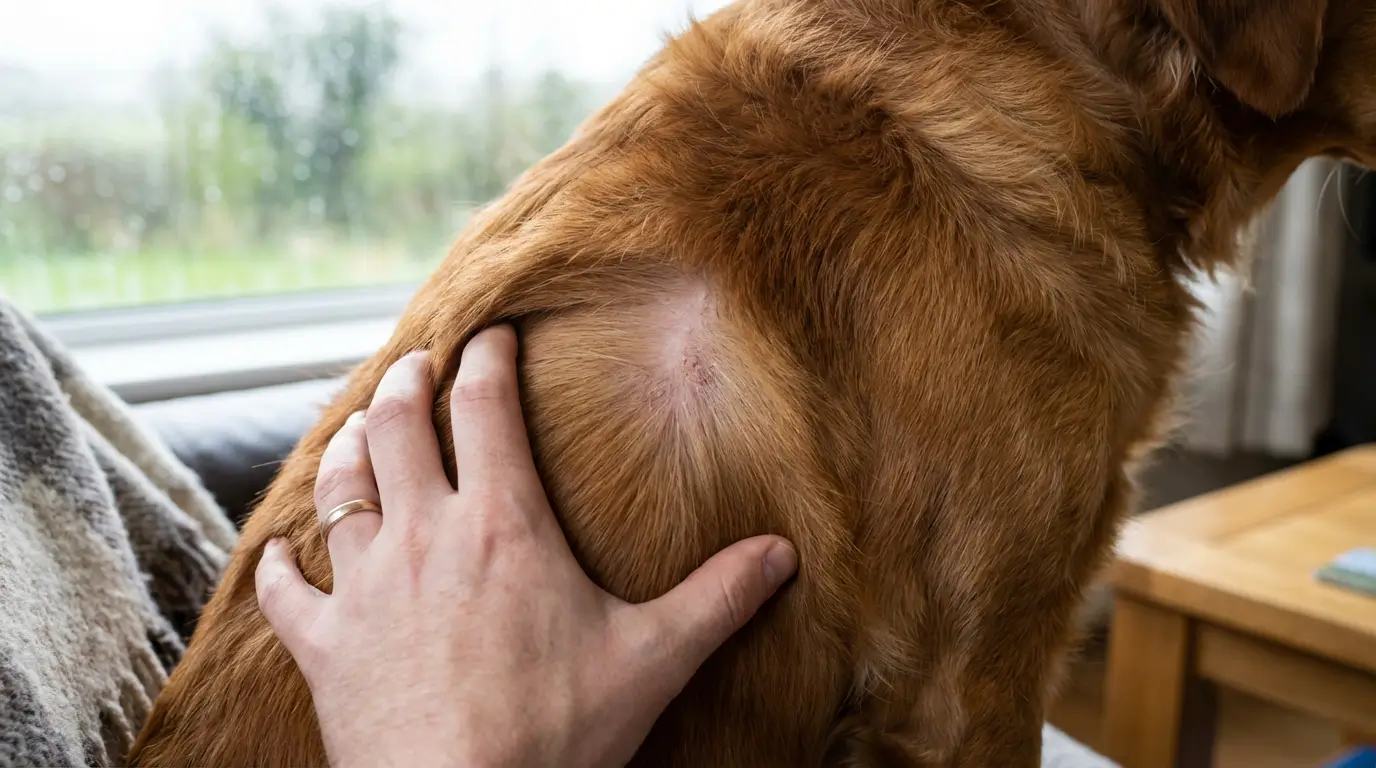
Part the hair to inspect skin: look for red patches, pustules, or black mould-like spots. Preventing skin fungi means daily towel dries after walks—use a microfibre one to wick moisture. If you spot persistent itching or hair loss, note breed factors; Irish Wolfhounds with dense fur are prone.
Pro tip: Brush twice weekly with a slicker brush to aerate the coat. This simple habit slashed skin issues for a mate’s retriever last winter.
Check 3: Ears—Spot Infections Before They Spread
How to spot ear infections early? Flip the ear flap weekly and sniff. A yeasty, foul odour or dark waxy buildup screams trouble in humid climes—damp ears from wet walks create perfect yeast parties [1].
Gently wipe with vet-approved solution (dilute apple cider vinegar works short-term, but check first). Redness inside or head-shaking? Act fast; untreated, it leads to chronic pain. Spaniels and cockers, with floppy ears, top the list here.
In my experience, owners who check post-rain walk avoid £200 vet fees. Dry ears thoroughly with cotton wool—never swabs deep.
Checks 4-5: Paws and Nails in Wet Conditions
Inspect paws daily: split pads, swelling between toes, or gritty debris signal damp risks. Ireland’s wet trails embed stones that fester in softened skin, leading to bacterial infections.
Trim nails monthly—long ones slip on slick floors, straining joints. For preventing cracks, apply paw wax before outings; it repels water without greasiness.
Check for lime-scale or chemical burns from salted paths in winter rain. Soak sore paws in Epsom salts (lukewarm, 10 mins) and monitor healing.
Checks 6-7: Joints and Mobility in Rainy Climates
Signs of joint issues? Watch for stiffness rising from beds or limping after rainy romps. Damp cold penetrates, inflaming hips and elbows—studies show rainy climates hike osteoarthritis risk by 20% in older dogs [3].
Test with a gentle range-of-motion: flex legs slowly. Grumbling or resistance? Time for rugs on cold tiles and joint supplements like glucosamine (vet-dosed).
Labs and German Shepherds suffer most here. Keep them warm post-walk with a dry coat—prevents flare-ups.
Checks 8-9: Breathing, Eyes, and General Signs
Monitor breathing: laboured pants or coughs worsen in muggy air, hinting at damp-aggravated bronchitis. Eyes weepy with discharge? Humidity irritates, breeding bacteria.
Wipe eyes daily with saline; clear crust fast. Nose dry or cracked? Hydrate inside-out with wet food toppers.
These tie into overall health—damp stress shows in coat lustre loss or pot belly from less play.
Check 10 and When to Call the Vet
Final check: behaviour. Lethargy, appetite dips, or hiding? Damp blues hit hard. Weigh weekly—sudden loss flags hidden illness.
When to call the vet in Ireland’s weather? If any check shows two-plus symptoms persisting 48 hours, or sudden collapse. Ring your local practice; many offer damp-season clinics. Don’t wait—early antibiotics nip fungi cheap.
For more, check our Irish dog breeds winter guide or paw balm picks.
To wrap up, these 10 checks take 10 minutes daily but save heartache in our drizzly isle. Grab a towel, get hands-on, and keep your pal thriving. Share your damp-weather wins in comments—what’s your top tip?
[1] Veterinary Ireland Journal
[2] BSAVA Manual of Canine and Feline Dermatology
[3] University College Dublin Vet Study, 2022

5 Common Dog Health Problems

10 Best Irish Pet Rescues 2024
Indoor Cat Risks in Irish Homes